- Pantry storage is key for raw potatoes: Keep them cool, dark, ventilated, and separate from onions; most last 3–5 weeks, while new or sweet potatoes spoil faster.
- Refrigeration is best for cooked potatoes: Raw potatoes can change flavor and texture in the fridge; cooked potatoes last 3–5 days in airtight containers.
- Freezing works for cooked or blanched potatoes: Raw potatoes freeze poorly. Blanched or cooked potatoes can last 8–12 months when properly packaged.
- Watch for spoilage signs: Soft spots, wrinkling, sprouts, green coloring, or foul odors mean it’s time to discard the potato.
- Sprouted potatoes can be used carefully: Small sprouts can be removed if the potato is firm; discard if green, soft, or wrinkled.
- Plan purchases and meals wisely: Buy only what you’ll use, rotate stock, and match potato types to recipes for optimal freshness and efficiency.
- Extend shelf life naturally: Use breathable storage, avoid sunlight and moisture, separate damaged potatoes, and rotate older ones first.
Potatoes are one of the most versatile and beloved staples in kitchens worldwide. From crispy fries and roasted wedges to creamy mashed potatoes and comforting stews, they play a starring role in countless recipes. But as much as we love potatoes, one question often comes up: how long are potatoes good for? Understanding how to store them correctly can save you from food waste, ensure safety, and help you get the most flavor and nutrition out of every spud. In this guide, we’ll break down how long potatoes last in the pantry, fridge, and freezer, along with tips to extend their shelf life.
How Long Do Potatoes Last in the Pantry?
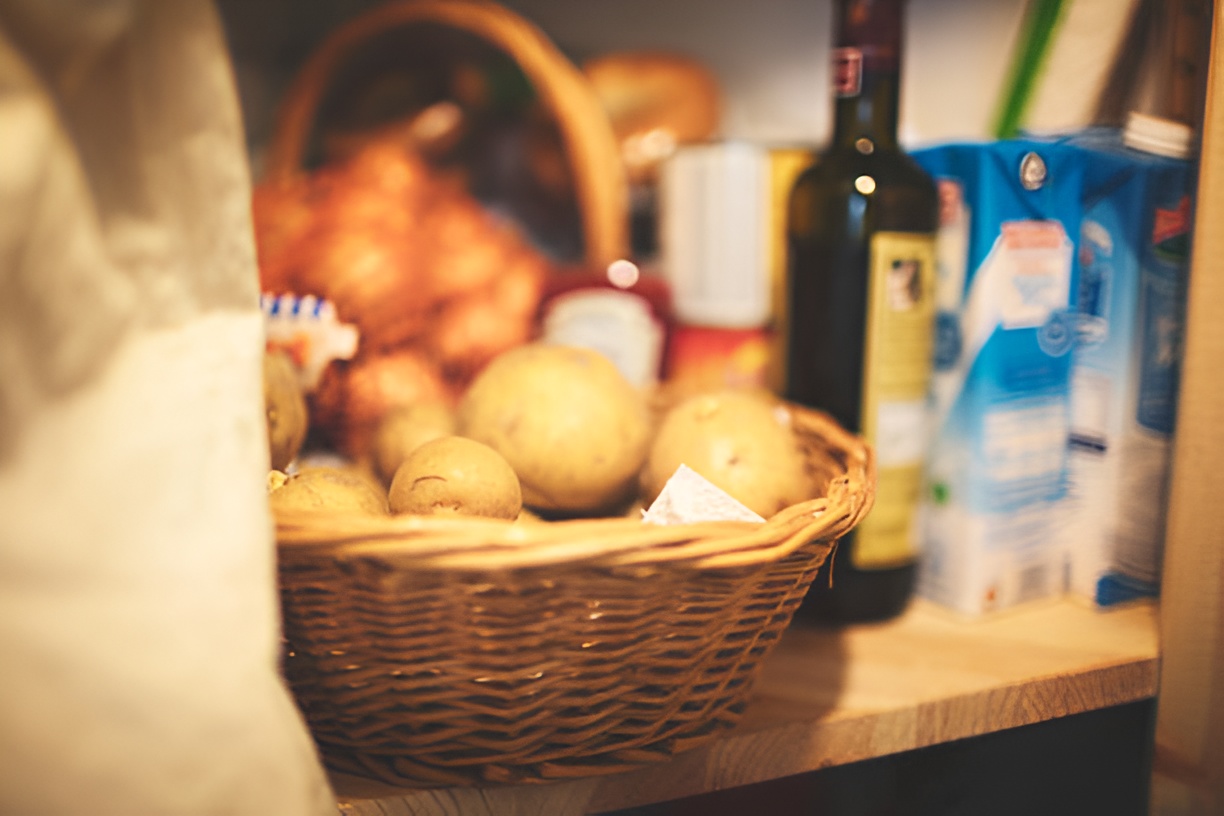
The pantry is the most common storage spot for potatoes. It’s convenient, accessible, and works well if you buy potatoes in small quantities and plan to use them relatively quickly. But just tossing them in a cupboard isn’t enough—potatoes need the right conditions to stay fresh and safe.
Pantry Storage Basics
- Keep them cool, dark, and ventilated: Potatoes last longest when stored around 45–50°F (7–10°C). Warmth and light encourage sprouting and greening. A dark corner of the pantry or a basement works best.
- Separate from onions: Onions release gases that speed up potato spoilage, so store them apart to extend shelf life.
- Use breathable containers: Paper bags, mesh bags, baskets, or even a cardboard box with holes allow airflow. Avoid plastic bags—they trap moisture and can cause mold and rot.
- Layering matters: Don’t pile potatoes too high. Air circulation is key, and keeping them in a single layer reduces pressure bruising.
How Long Are Potatoes Good For in the Pantry?
- New potatoes (small, young potatoes): 1–2 weeks. These have a higher moisture content, so they spoil faster.
- Standard potatoes (russet, Yukon gold, red): 3–5 weeks. Firm and versatile, these are pantry-friendly for most home cooks.
- Sweet potatoes: 2–4 weeks. Slightly more sensitive, so monitor them closely for soft spots or sprouting.
Signs Your Pantry Potatoes Are Going Bad
- Soft spots or wrinkled skin: Indicates moisture loss and aging.
- Green coloring on the skin: Signals solanine buildup, which is toxic. Discard green areas.
- Sprouting: Small sprouts can be cut off, but extensive sprouting means the potato is past its prime.
- Foul odor: A clear sign the potato has gone bad and should be thrown away.
Tips to Make Pantry Potatoes Last Longer
- Inspect potatoes regularly and remove any that show early signs of spoilage to prevent them from affecting others.
- Keep potatoes in a single layer with airflow around each tuber.
- Store away from sunlight to prevent greening and bitterness.
- Rotate your stock, using older potatoes first, so nothing lingers too long.
Should You Refrigerate Potatoes?
Refrigeration is a bit tricky for raw potatoes. While cold slows spoilage, it also alters starches, flavor, and texture. Understanding when and how to refrigerate can make a big difference.
What Happens When You Refrigerate Potatoes?
- Starch converts to sugar: Cold temperatures trigger this process, making the potatoes taste sweeter.
- Cooking effects: Refrigerated raw potatoes may darken during cooking and have a slightly different texture.
- Texture changes: Extended cold storage can make potatoes grainy or mealy.
How Long Are Potatoes Good For in the Fridge?
- Raw potatoes: 3–4 weeks. Only refrigerate if pantry conditions are too warm or humid.
- Cooked potatoes: 3–5 days. Always store in airtight containers to prevent odor absorption and moisture loss.
Best Practices for Fridge Storage
- Store leftover cooked potatoes in airtight containers to maintain flavor and texture.
- Avoid refrigerating raw potatoes unless necessary; they fare better in a cool, dark pantry.
- Place raw potatoes in the crisper drawer, away from moisture-heavy vegetables like leafy greens.
Freezing Potatoes: Does It Work?
Freezing raw potatoes is generally not recommended due to high water content, which turns them mushy after thawing. However, cooked or partially cooked potatoes freeze beautifully, preserving taste and texture for months.
How to Freeze Potatoes
- Blanch first: Boil or steam potatoes for 2–5 minutes depending on size. This stops enzyme activity that causes spoilage.
- Cool quickly: Plunge blanched potatoes into ice water to stop cooking and preserve color.
- Dry completely: Excess moisture leads to freezer burn. Pat dry before packaging.
- Package properly: Use freezer-safe bags or containers. Remove as much air as possible.
- Label and date: Track storage time so you can use the oldest potatoes first.
How Long Are Potatoes Good For in the Freezer?
- Blanched potatoes: 10–12 months
- Cooked mashed potatoes: 10–12 months
- Hash browns or fries: 8–12 months
Tips for Thawing and Using Frozen Potatoes
- Thaw in the fridge overnight or cook directly from frozen for dishes like fries, roasted potatoes, or casseroles.
- Avoid refreezing potatoes; texture and taste deteriorate quickly.
- Frozen potatoes are best used in cooked applications rather than raw salads or garnishes.
What About Sprouted Potatoes? Are They Safe to Eat?
Sprouting is a natural process, but it raises concerns about safety and taste.
Can You Eat Sprouted Potatoes?
- Small sprouts: Can be removed, and the rest of the potato is generally safe if firm and healthy.
- Soft, wrinkled, or green potatoes: Discard to avoid potential toxicity from solanine.
Tips for Handling Sprouts
- Cut off sprouts before cooking.
- Peel potatoes with green areas to reduce solanine exposure, though heavy greening warrants discarding.
- Use sprouted potatoes quickly, as they will not last long once sprouting begins.
How to Tell If a Potato Has Gone Bad
Recognizing spoilage is essential for food safety, no matter the storage method.
Key Indicators of Spoilage
- Soft or mushy texture
- Wrinkling or shriveling
- Dark spots or mold
- Off smell (sour, rotten, or musty)
- Excessive sprouting
Quick Test
- Squeeze gently: Firm potatoes are good; if it yields easily, it’s time to toss.
- Visual inspection: Look for green spots, mold, or sprouting before use.
Can You Extend Potato Shelf Life Naturally?
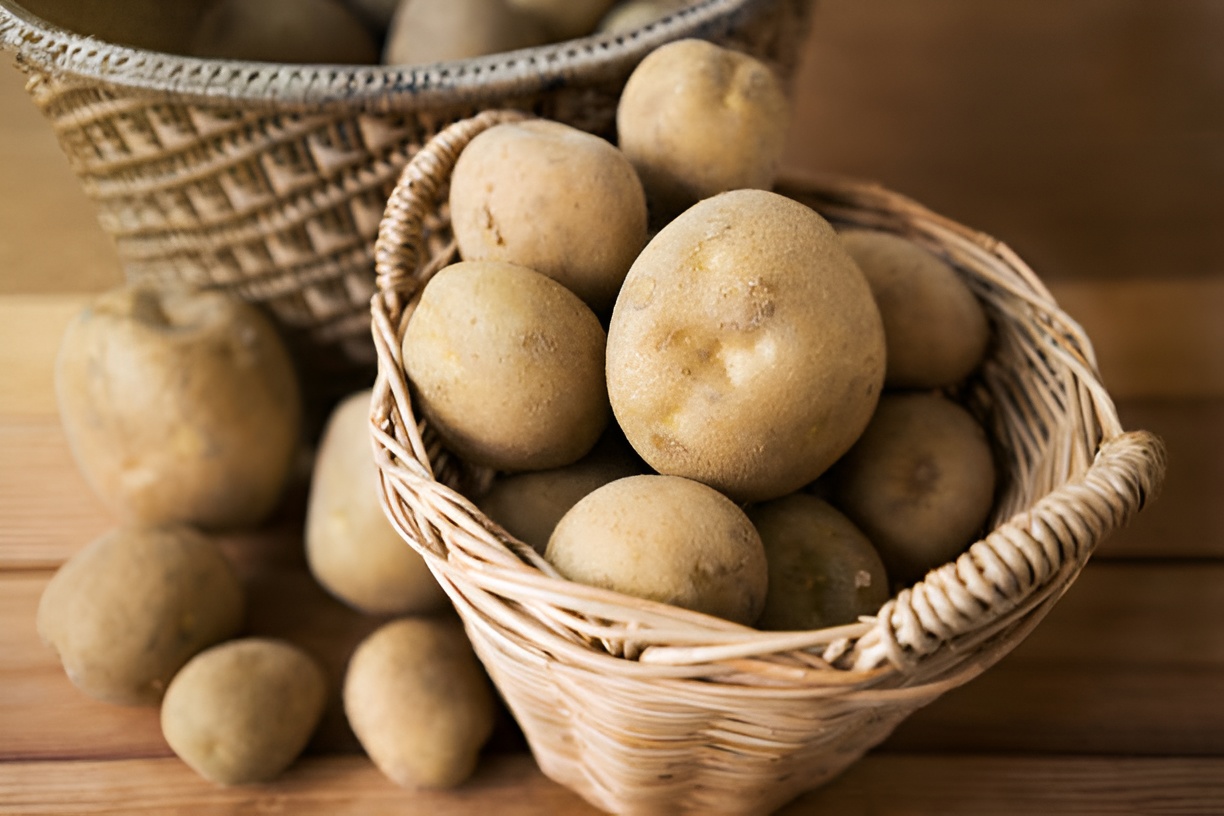
Yes, simple habits can significantly increase potato longevity without refrigeration.
- Store potatoes in a cool, dark area.
- Keep them dry and away from sunlight.
- Separate damaged potatoes from healthy ones to prevent spoilage from spreading.
- Consider burlap bags, ventilated baskets, or boxes for better airflow.
- Rotate stock: use older potatoes first to reduce waste.
What About Sweet Potatoes and Specialty Varieties?
Different types of potatoes have slightly different storage needs, so it’s important to adjust accordingly.
Sweet Potatoes
- Pantry: 2–4 weeks
- Fridge: Not recommended, as cold can create hard centers.
- Freezer: 10–12 months if cooked or blanched
Fingerling or Baby Potatoes
- Pantry: 3–4 weeks
- Fridge: 3–4 weeks if needed
- Freezer: Best when cooked or blanched
Specialty Potatoes (Purple, Heirloom)
- Storage times are similar to standard potatoes.
- Handle gently, as they bruise easily, which shortens shelf life.
- Ideal for roasting or baking due to unique colors and flavors.
Common Mistakes That Shorten Potato Life
Even with proper storage, some habits can speed up spoilage:
- Storing potatoes in plastic bags
- Exposing potatoes to light
- Washing potatoes before storage (adds moisture)
- Storing near onions or other ethylene-producing fruits
- Leaving bruised or damaged potatoes with healthy ones
How to Plan Your Potato Purchases
Knowing how long potatoes last isn’t just about storage—it can also help you plan shopping trips, reduce waste, and make sure you always have the right type of potato for your meals. With a little planning, you can enjoy fresh, flavorful potatoes without ending up with a pile of sprouted or spoiled tubers.
Tips for Smart Shopping
- Buy in small quantities if you cook occasionally: If you only use potatoes a few times a week, don’t buy in bulk. Smaller purchases reduce the risk of spoilage before you use them.
- Choose firm, blemish-free potatoes: Avoid soft spots, bruises, sprouts, or green patches. These can indicate older potatoes that won’t last long.
- Select the right potato for your recipe: Different dishes benefit from different potato types.
- Starchy potatoes like russets are best for baking and mashing.
- Waxy potatoes like red or fingerlings hold their shape for salads or roasted dishes.
- Yukon golds are versatile, working well for soups, mashes, and frying.
- Consider storage conditions at home: Only buy large quantities if you have a cool, dark, ventilated place to store them.
Meal Planning Ideas
- Use potatoes early in the week: Plan soups, stews, roasted potatoes, or skillet dishes for the first few days after purchase to ensure freshness.
- Save leftovers strategically: Cooked potatoes can be transformed into mashed potatoes, potato casseroles, or potato salads later in the week.
- Freeze excess cooked potatoes: If you have leftovers that you won’t eat soon, freezing blanched or cooked potatoes ensures you don’t waste food. This works well for mashed potatoes, fries, or roasted chunks.
- Rotate recipes with storage in mind: For example, plan to use new potatoes in quick-cook dishes and store starchy potatoes longer for baking or mashing.
Extra Tips for Efficient Potato Use
- Keep a small notebook or phone note of purchase dates to track freshness.
- Check pantry or fridge stock before shopping to avoid duplicates.
- Consider variety packs: buying a mix of potato types can give you flexibility in meal planning and cooking techniques.
- Use older potatoes for hearty dishes like stews or casseroles where slight softening won’t affect texture.
If you plan your potato purchases thoughtfully, you can enjoy fresh, flavorful potatoes all week while reducing waste and saving money. A little preparation goes a long way in making sure your meals are both tasty and efficient.
Frequently Asked Questions About Potato Storage
Can You Freeze Raw Potatoes?
It’s generally not recommended due to texture changes, but partially cooked or blanched potatoes freeze well.
Why Do Potatoes Turn Green?
Exposure to light causes chlorophyll to form, which is harmless but signals solanine development, a toxic compound. Discard green portions.
Can You Eat Old Potatoes?
If they’re soft, wrinkled, or moldy, it’s best to discard them. Potatoes that are firm and free of sprouts or green areas are safe.
What’s the Best Way to Store Potatoes Long-Term?
For long-term storage, a cool, dark, ventilated pantry is ideal. Blanch and freeze cooked potatoes for maximum shelf life.
How Do You Keep Potatoes From Sprouting?
- Keep them in a dark, cool location
- Avoid storing near onions
- Check regularly and use older potatoes first
Closing Thoughts
Potatoes are a kitchen essential, but their shelf life depends on how and where you store them. In the pantry, most potatoes last 3–5 weeks; in the fridge, 3–4 weeks for raw and 3–5 days for cooked; and in the freezer, up to 12 months if properly prepared. Knowing how long potatoes are good for, along with signs of spoilage and best storage practices, can save money, reduce food waste, and ensure every dish tastes its best. By following these simple tips, you can always enjoy fresh, safe, and delicious potatoes whenever you need them.