- Softness alone doesn’t mean a potato is unsafe.
- Green spots, mold, and bad odors are clear warning signs.
- Slightly soft potatoes can be salvaged for mashed dishes, soups, or casseroles.
- Proper storage keeps potatoes firm longer.
- Always trust your senses—if it looks or smells off, throw it out.
A common household essential, potatoes are simple to store, offer a surprisingly filling meal, and are incredibly versatile in the kitchen. But what happens when your potatoes start to feel soft or mushy? Are soft potatoes bad? Can you still cook with them, or is it time to toss them? This article explores everything you need to know about soft potatoes, including how to tell if they’re safe to eat, what causes them to go soft, and ways to prevent spoilage.
Why Do Potatoes Get Soft in the First Place?
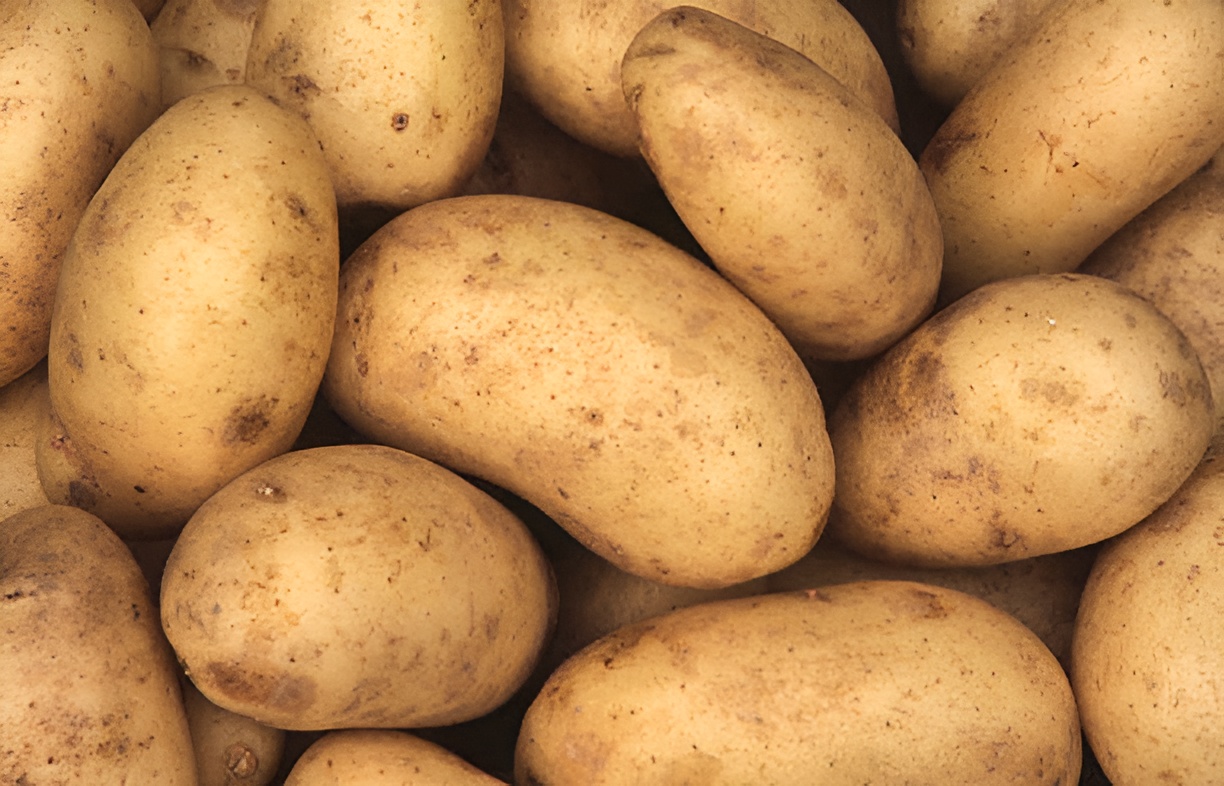
Potatoes naturally contain starches and water. Over time, these components break down, causing the potato to lose its firmness. Factors that contribute to softness include:
- Age: Older potatoes tend to soften as their starches convert to sugar.
- Temperature: Storing potatoes in a warm environment accelerates spoilage.
- Moisture: Excess humidity or contact with water can lead to soft spots.
- Physical damage: Bruises or cuts weaken the potato’s structure.
Softness doesn’t automatically mean the potato is unsafe. Sometimes, it’s just a sign of aging. But certain signs indicate the potato may no longer be suitable for eating.
Are Soft Potatoes Bad? Key Signs to Look For
When evaluating a potato, softness is just one factor. Consider the following signs that could indicate your potato is unsafe to eat:
- Discoloration: Look for dark spots, green patches, or unusual colors. Green spots often indicate the presence of solanine, a naturally occurring toxin.
- Mold growth: Fuzzy white, blue, or black mold is a clear warning sign.
- Smell: A sour, musty, or rotten odor suggests bacterial or fungal growth.
- Shriveling: Excessive wrinkling or dehydration can make the potato unappetizing and indicate age-related decay.
- Sprouting: Small sprouts are generally safe if removed, but large, woody sprouts may indicate the potato is past its prime.
If your potato shows any of these signs, it’s safest to discard it rather than risk foodborne illness.
How Soft is Too Soft?
Potatoes can soften slightly without becoming dangerous. Here’s a quick guide:
- Slightly soft but firm overall: Usually safe, may cook differently.
- Very soft, mushy, or leaking liquid: Unsafe to eat. Toss immediately.
- Spotty soft areas: Cut out small soft patches if the rest of the potato is firm.
The key is to combine softness with other signs like odor, color changes, or mold. Softness alone doesn’t always mean the potato is bad, but combined with these signs, it’s a red flag.
Can You Eat Soft Potatoes? When It’s Safe
If your potato is just slightly soft but shows no other signs of spoilage, it’s generally safe to eat. Here are some tips:
- Cut out soft spots: Small, localized softness can be removed without wasting the rest of the potato.
- Cook thoroughly: Baking, boiling, or frying soft potatoes can reduce the risk of minor bacterial growth.
- Use in recipes that require mashing or blending: Soft potatoes may be perfect for mashed potatoes or soups.
Even if safe, the texture of soft potatoes may not be ideal for all dishes. Crisp fries or roasted potato cubes, for example, require firmer potatoes.
Why Green Potatoes Are a Bigger Risk
Green spots on potatoes are more than a cosmetic issue. They indicate solanine buildup, which can be toxic. Symptoms of solanine poisoning include nausea, headache, and digestive upset. To prevent consuming solanine:
- Discard any heavily green potatoes.
- Peel small green areas carefully before cooking.
- Store potatoes in a cool, dark place to reduce greening.
Green potatoes are especially common when stored in sunlight or near bright kitchen lights.
How to Store Potatoes to Prevent Softness
Proper storage is key to keeping potatoes firm and fresh. You might be wondering, how long are potatoes good for? With the right conditions, you can extend their shelf life and prevent them from going soft too quickly. Here’s how to do it right:
- Keep them cool, but not cold: The ideal temperature is 45–50°F (7–10°C). Avoid storing potatoes in the fridge, as cold temperatures can convert starches to sugar and affect both taste and texture.
- Store in a dark place: Exposure to light can cause green patches and solanine buildup. Use a pantry, cupboard, or paper bag for optimal darkness.
- Avoid moisture: Damp environments promote mold and rot. Paper bags, ventilated baskets, or perforated containers work best.
- Separate from onions: Onions release gases that can speed up potato spoilage, so keep them stored apart.
Following these storage tips can help ensure your potatoes stay firm, flavorful, and safe to eat for weeks.
Common Myths About Soft Potatoes
There’s a lot of confusion about soft potatoes. Let’s clear up some myths:
- Myth 1: All soft potatoes are toxic. Not true—softness alone doesn’t indicate toxins.
- Myth 2: Sprouted potatoes are unsafe. Small sprouts are generally safe if removed.
- Myth 3: Refrigeration preserves potatoes. Cold storage can actually make potatoes sweeter and mushier due to starch conversion.
Understanding the facts helps you make informed decisions and avoid unnecessary waste.
Quick Tips to Salvage Slightly Soft Potatoes
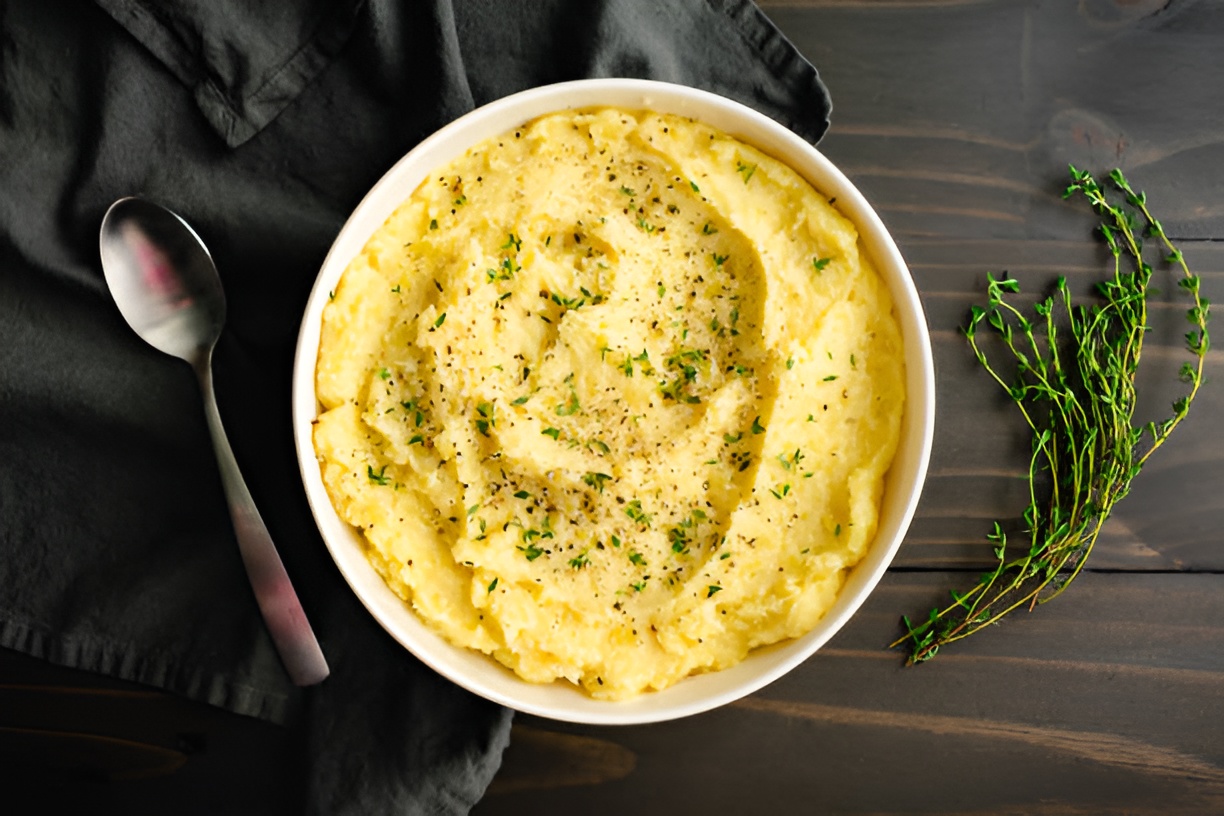
Even if a potato is soft, you don’t always need to throw it away. Consider these options:
- Make mashed potatoes or soups: Soft texture is ideal.
- Bake or roast after removing soft spots: Works well if the majority of the potato is firm.
- Dehydrate or freeze for later use: Soft potatoes can be boiled, mashed, and frozen for future recipes.
These strategies minimize waste while making the most of your produce.
What Causes Potatoes to Spoil Faster?
Several factors accelerate spoilage, including:
- Excess heat or sunlight
- High humidity or damp storage
- Physical damage during handling
- Storing potatoes near fruits like apples (they release ethylene gas)
Being aware of these causes can help you adjust storage methods and keep potatoes fresh longer.
Should You Worry About Softness in Organic vs. Conventional Potatoes?
Both organic and conventional potatoes can soften over time. However:
- Organic potatoes may spoil slightly faster due to the absence of certain preservatives.
- Conventional potatoes often last longer in storage but still need proper care.
Regardless of type, the same signs of spoilage—mold, odor, and greening—apply.
When to Just Toss the Potato
No amount of salvaging is safe if a potato shows:
- Extensive mold covering most of the surface
- A strong, unpleasant smell
- A slimy or leaking texture
- Large green areas that can’t be peeled
In these cases, it’s safer to discard the potato to avoid potential illness.
How to Incorporate Soft Potatoes Into Recipes Safely
If your potato is slightly soft but otherwise healthy, here are a few recipe ideas:
- Mashed potatoes: Softness doesn’t matter; in fact, it makes mashing easier.
- Potato soup: Blend soft potatoes into creamy soups without texture issues.
- Potato pancakes or gnocchi: Use soft potatoes for smoother dough.
- Casseroles: Dice and cook soft potatoes in baked dishes where texture isn’t critical.
Cooking thoroughly reduces risk and makes soft potatoes versatile.
Bottom Line: Are Soft Potatoes Bad?
Soft potatoes aren’t automatically bad, but they do require careful inspection. Use these guidelines:
- Check for mold, discoloration, odor, and shriveling.
- Cut away minor soft spots if the rest of the potato is firm.
- Avoid eating potatoes with large green areas or strong signs of spoilage.
- Store potatoes properly to prevent softness in the first place.
With the right storage, inspection, and cooking methods, you can safely enjoy potatoes even if they aren’t perfectly firm.